阿嬤的家 藝術博覽會
西螺古厝 × 藝術博覽
地圖會泛黃,照片會斑駁。但正因為它們留了下來,我們才知道,曾經有人在這裡生活、沏茶、經營,也把日子過得如此真實。捷發茶莊保存下來的地圖、影像與老物件,是一個家族生活過的證明。或許,藝術也是如此。每一件作品,都是創作者對世界的一次回應;每一道筆觸、每一個材質,都記錄著一段思考、一份情感,成為時間裡的印記。
這次藝術博覽會,將帶著當代藝術走進百年茶莊,讓百年前的生活痕跡,與此刻的創作,在同一個空間裡,靜靜相遇。
Some things fade with time.
Maps turn yellow. Photographs lose their color. Buildings grow older.
Yet somehow, they stay. They remind us that people once lived here, shared meals, brewed tea, built a life, and quietly left a part of themselves behind.
Maybe that’s what art does, too.
Every artwork is a trace of someone’s way of seeing the world—a thought, a feeling, a moment made tangible.
This time, contemporary art finds its place inside a century-old tea house, where the traces of the past meet the voices of today.
Different generations. Different expressions.
The same desire to leave something behind.

2026年策展主題 —「渡」
2026 Curatorial Theme — Du, “Crossing”
西螺素為濁水溪南北的交通樞紐,土地肥沃物產豐沛,百年來人文匯萃。這次以「渡」為題,橫跨的不僅僅是物理的距離,更希望是將世界各地最先緣的當代藝術作品,放置在西螺鎮上各個不同的老屋之中,讓空間與作品作橫跨時代的對話。在遠離繁囂的古鎮上,觀眾也得以放下匆促的步伐,在別具特色的空間中,與作品有從容且親密的接觸,同時為這些古厝們注入新的能量。
Xiluo has long served as a transportation hub connecting the north and south of the Zhuoshui River. With fertile land and abundant produce, it has been a gathering place for brilliant minds and cultures over the past century. Under the theme of “Crossing” (Du), this exhibition spans more than just physical distances; it aims to place cutting-edge contemporary artworks from around the world into various historic old houses in Xiluo Township. This creates a cross-generational dialogue between the spaces and the artworks. In this tranquil old town far from the hustle and bustle, visitors can slow down their hurried pace, experience a leisurely and intimate connection with the artworks in these unique spaces, and simultaneously inject new energy into these historic houses.
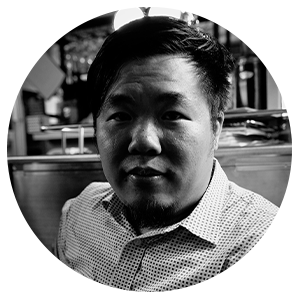
陳子澂 André Chan
André Chan
陳子澂是常駐香港的策展人及「Art Collective」的共同創辦人。他的策展實踐立足於當代藝術與更廣泛文化潮流的交匯點,並著重於藝術家如何介入緊迫的城市議題。近期,他的研究聚焦於藝術家製作的電子遊戲,以及現代科技世界中固有的謬誤。陳氏的成就備受業界矚目,曾入選上海當代藝術博物館(PSA)的「青策計畫」及 Para Site 藝術空間的「新銳策展人」計畫。他的策展與演出項目遍及全球,足跡橫跨香港、東京、台中、上海、首爾、光州、芝加哥及溫哥華。值得一提的是,他曾擔任 2021 年 Art Central 的策展總監,並出任 2024 年京都國際藝術展(Arts Collaboration Kyoto)公眾項目的聯合策展人。
André Chan is a Hong Kong-based curator and co-founder of Arts Collective. Operating at the intersection of contemporary art and broader cultural currents, his curatorial work focuses on how artists engage with pressing urban issues. Recently, his research has explored artist-made video games and the inherent fallacies of the modern tech world. Chan’s achievements have been recognized by prestigious platforms, including Shanghai’s Power Station of Art’s Emerging Curators Project (2018) and Para Site’s Emerging Curator program. He has curated exhibitions and performances internationally, spanning Hong Kong, Tokyo, Taichung, Shanghai, Seoul, Gwangju, Chicago, and Vancouver. Notably, he served as Curatorial Director for Art Central 2021 and co-curator of the public programme at Arts Collaboration Kyoto 2024.
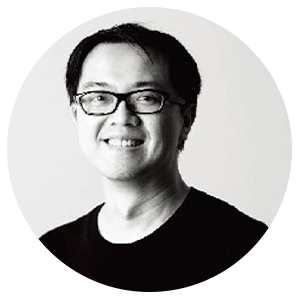
何忠堂 Tong
Tong Ho
何忠堂(Tong Ho)策展人、展示設計師與工藝設計師,長年專注於文化策展、空間展示、工藝創新及設計教育,擅長透過展示敘事與空間設計,將設計、文化與生活重新連結,讓展覽不只是作品的呈現,更成為公眾的對話平台。
畢業於荷蘭 Design Academy Eindhoven 設計學院工業設計碩士,何忠堂融合歐洲設計思維與臺灣文化,逐步發展出以「文化× 展示 × 敘事」為核心的設計方法。他認為,展示設計不單純是空間配置或展示作品,而是一種能引導觀者理解文化、建立情感連結的設計語言。
近二十年來,他持續投入博物館、美術館、文化館展覽策劃與展示設計,作品涵蓋國立臺灣工藝研究發展中心、國立臺灣美術館、台南國家美術館、蘭陽博物館、臺灣文博會等重要文化機構,並多次擔任策展人、空間設計及展示設計主持,累積豐富的展覽整合經驗。
在設計領域,何忠堂曾擔任琉園設計總監,陶作坊設計顧問,參與臺灣工藝研究發展中心 YII 國際推廣計畫,並曾於荷蘭 Droog Design、巴黎家飾展、米蘭家具展、鹿特丹、建築雙年展等國際設計舞台展出作品,其作品探索工藝材料、文化記憶與當代生活之間的創新關係,並曾榮獲 iF Design Award、iF Communication Design Award、金點設計獎、亞洲最具影響力設計大獎、 A’ Design Award、MUSE Design Awards 等國際設計獎項。
對於何忠堂而言,策展是一種敘事的方法,展示是一種文化的解釋。透過展品、空間與設計,持續探索作品如何被理解、被感受,讓每一次展覽都成為思想傳遞與創新的起點。
Tong Ho is a curator, exhibition designer, and craft designer whose practice curation, exhibition design, craft developments, and design education. Through storytelling, he creates exhibitions that reconnect culture, and everyday life, transforming exhibitions into platforms where culture and the public engage in meaningful dialogue.
Holding a Master’s degree in Industrial Design from Design Academy Eindhoven in the Netherlands, Tong Ho integrates European design thinking with Taiwanese culture, gradually developing a design methodology centered on Culture × Exhibition × Narrative. He believes that exhibition design is more than spatial arrangement; it is a design language that guides audiences to understand culture and build emotional connections.
Over the past two decades, he has been actively engaged in exhibition planning and exhibition design for museums, art museums, and cultural institutions. His portfolio includes projects for the National Taiwan Craft Research and Development Institute, the National Taiwan Museum of Fine Arts, National Museum of Modern Art, Tainan, the Lanyang Museum, and Creative Expo Taiwan, among other major cultural institutions.
He has also served on numerous occasions as curator, spatial designer, and lead exhibition designer, building extensive expertise in the planning, integration, and execution of exhibitions.
In the field of design, Tong Ho has served as Design Director of Tittot Co., Ltd, Design Consultant for Lin’s Ceramics Studio, and a participating designer in the YII Project of the National Taiwan Craft Research and Development Institute. His works have been presented through Droog Design in the Netherlands, Maison & Objet Paris, the Milan Furniture Fair, and the Rotterdam Architecture Biennale. Continuing to explore new connections between craft materials, cultural memory, and contemporary life.
Tong has received numerous international design honors, including the iF Design Award, iF Communication Design Award, Golden Pin Design Award, Design for Asia Awards, A’ Design Award, and MUSE Design Awards.
For Tong, curating is a way of telling stories, and exhibition design is a process of translating culture. Through the thoughtful integration of objects, space, and design, he explores how culture can be interpreted, experienced, and shared, allowing every exhibition to become a platform for dialogue, inspiration, and innovation.
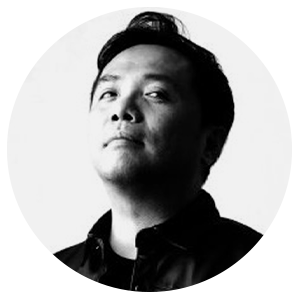
王俊隆 Rock
Rock Wang
王俊隆(Rock)是臺灣具國際影響力的工業設計師與設計教育家,長年深耕工業設計、工藝設計、品牌策略及設計教育,以跨領域思維連結產品、文化與品牌,致力於讓設計成為創造價值與推動創新的核心力量。
畢業於荷蘭 Design Academy Eindhoven 工業與識別設計碩士(Master in Industrial & Identity Design),現任竅門設計事務所主持設計師,以及異類潮鞋實驗室創辦人暨設計總監,同時擔任國立臺灣科技大學設計系兼任專技副教授、實踐大學工業產品設計學系兼任專技助理教授,累積超過二十年設計教學與畢業專題指導經驗。
Rock曾擔任琉園設計總監、陶作坊設計顧問,並參與臺灣工藝研究發展中心YII計畫,多件作品受邀於米蘭家具展展出。其作品獲得瑞士 Vitra Design Museum、英國 London Design Museum、以色列 Holon Design Museum 及義大利 Missoni 等國際知名機構與品牌典藏,為華人設計寫下重要里程碑。
多年來,Rock作品榮獲德國 iF Design Award、德國 Red Dot Design Award、美國 IDEA、日本 Good Design Award(G Mark)、香港最具影響力設計大獎年度大獎、 獲選中國超媒體「世界華人設計一百大」及臺灣金點設計獎年度最佳設計等多項國際獎項肯定,他亦長期受邀擔任德國 iF Design Award、臺灣金點設計獎、臺北設計獎、臺灣新一代設計展、臺灣國際學生創意設計大賽等重要設計競賽評審。
Rock以國際視野,連結文化、產業與教育,讓台灣設計成為改變世界的力量。
Rock Wang is an internationally recognized Taiwanese industrial designer, brand strategist, and design educator. With more than two decades of professional experience, he has devoted his career to industrial design, craft innovation, brand strategy, and design education. Through an interdisciplinary approach, he connects products, culture, and brands, believing that design is a powerful force for innovation, cultural value, and social impact.
He earned a Master’s degree in Industrial & Identity Design from the Design Academy Eindhoven in the Netherlands. He is the Founder and Principal Designer of Qiao Design Studio and the Founder and Creative Director of E LAB Sneaker Lab. He also serves as an Adjunct Associate Professor of Practice at National Taiwan University of Science and Technology and an Adjunct Assistant Professor of Practice at Shih Chien University, where he has mentored emerging designers and supervised graduation projects for more than twenty years.
Rock served as Design Director at Tittot Co., Ltd. and as Design Consultant to Lin’s Ceramics Studio. He was also a participating designer in the YII Project organized by the National Taiwan Craft Research and Development Institute. His works have been exhibited at the Salone del Mobile Milano and are included in the permanent collections of the Vitra Design Museum (Switzerland), the Design Museum London (UK), the Holon Design Museum (Israel), and Missoni (Italy), representing a significant milestone for contemporary Taiwanese design on the international stage.
His work has received numerous prestigious international honors, including the iF Design Award (Germany), Red Dot Design Award (Germany), IDEA Award (USA), Good Design Award (G Mark) (Japan), the Grand Award of Hong Kong’s Most Influential Design Awards, the Golden Pin Design Award – Best Design of the Year (Taiwan), and recognition as one of the Top 100 Chinese Designers Worldwide by China Modern Media Group.
Rock also serves as a juror for leading international and national design competitions, including the iF Design Award, the Golden Pin Design Award, the Taipei International Design Award, the Young Designers’ Exhibition (YODEX), and the Taiwan International Student Design Competition.
Rock integrates culture, industry, and education through design. His practice continually explores the evolving relationship between craftsmanship, cultural identity, and contemporary lifestyles, demonstrating how Taiwanese design can inspire innovation, foster cultural dialogue, and make a meaningful contribution to the global design community.
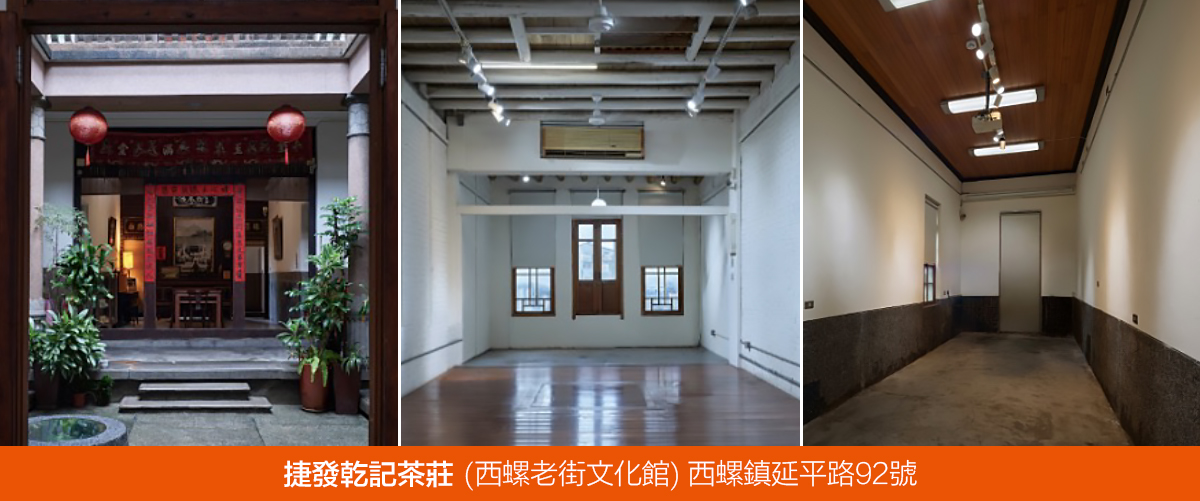
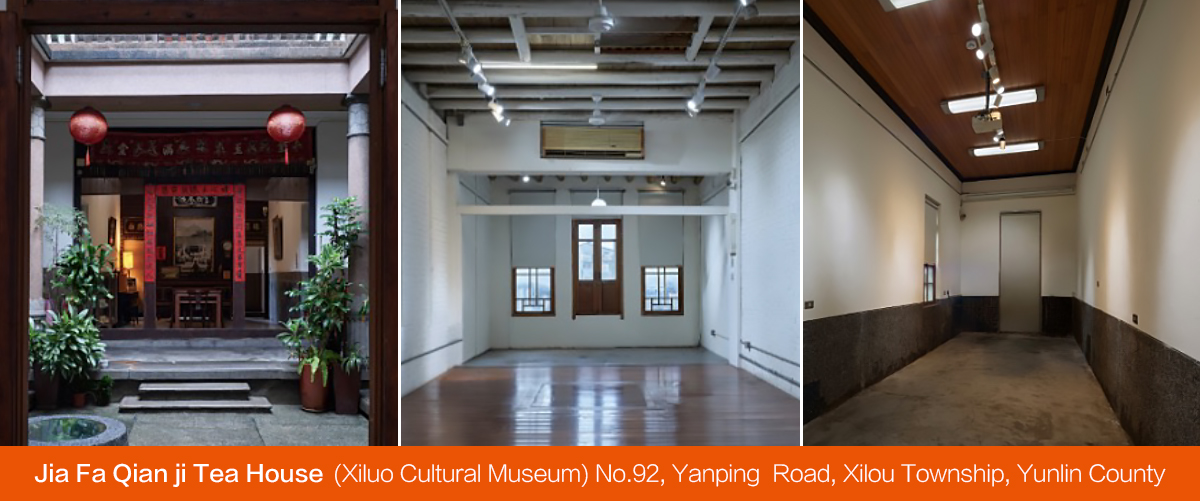
1932年落成的「捷發乾記茶莊」,以磚造木構的三進式格局,將漢、和、洋三種美學語彙疊加在一起。九十多年來,它佇立在延平老街上,靜靜側寫著西螺小鎮的記憶。它曾是活絡的茶葉貿易中心,是家族渡海紮根的起點;而在 1989 年歇業後,西螺人並未讓這段歷史歸於沉寂。透過許家無償提供與居民共同修繕,老宅褪去商號色彩,化身為「西螺延平老街文化館」 —— 一座開放給所有人的文化客廳。
當時光的茶香散去,老宅凝結成了當代的藝術容器。歷史與藝術的魅力,往往發生在「新舊交疊」的那一刻。當當代藝術作品踏入這座留有歲月刻痕的空間,木構卡榫的紋理、天井撒下的日光,都成了作品不可或缺的一部分。
Built in 1932, Jie Fa Tea House stands as a rare fusion of Han, Japanese, and Western architectural styles in Xiluo. Once a key tea trade hub, it was restored by the local community into a cultural center—a living room for the town.
As contemporary artworks settle into this timeless space, the weathered wood grains and filtered courtyard sunlight become part of the art itself.
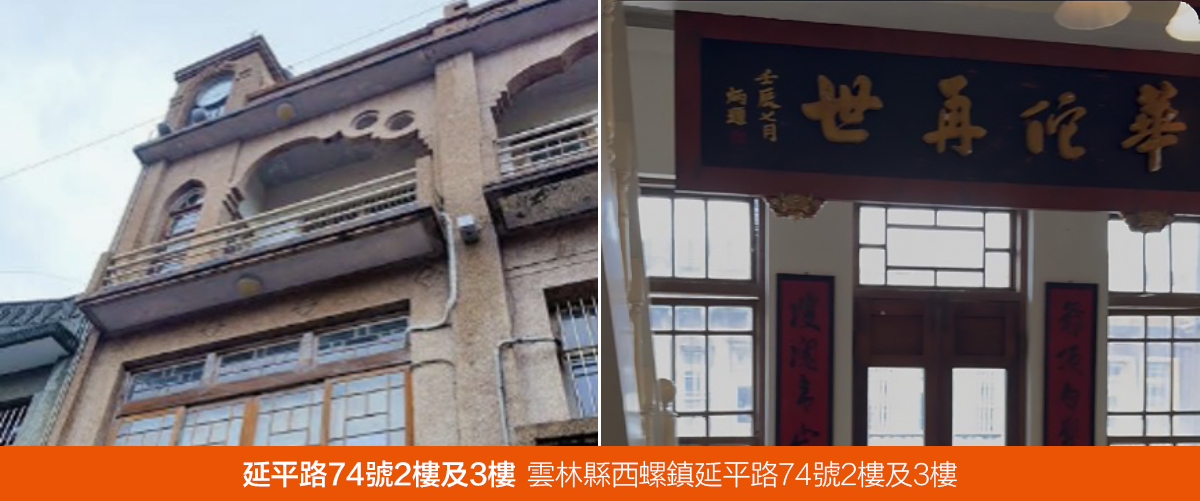
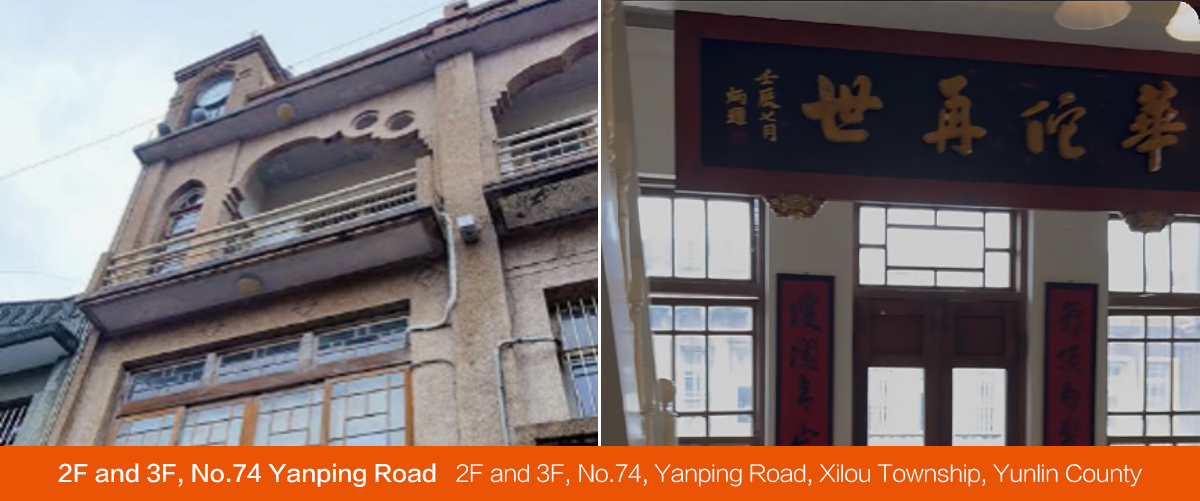
西螺延平路 74 號歷史街屋(舊稱「慶裕隆商行」)建於 1930 年代,是西螺老街最具代表性的昭和型建築之一。 這棟老屋完美融合了華麗的 Art Deco 裝飾主義立面與傳統閩南長條形三進式格局,早期為繁榮的南北雜貨商號。歷經歲月洗禮,老屋近年透過文創活化工程重新蛻變,以兼具日式文青選物與生活陶藝器皿的複合式空間「那那勇 Nanayon」重獲新生,讓走過近百年的歷史樑柱與現代生活美學在此有機交融,成為探訪西螺常民文化與老屋再生不可錯過的經典地標。
Built in the 1930s, the historical shophouse at No. 74 Yanping Road, Xiluo (formerly known as the “Qing Yu Long Firm”), stands as one of the most iconic Showa-era architectural masterpieces on Xiluo Old Street. The vintage building seamlessly fuses an ornate Art Deco facade with a traditional, elongated Minnan-style three-courtyard layout, having originally served as a bustling grocery emporium. Having weathered the tides of time, the property has undergone a creative rejuvenation in recent years. It has been reborn as “Nanayon,” a lifestyle concept venue that curates Japanese-style select items alongside artisanal studio ceramics. Here, century-old historical beams intertwine harmoniously with modern aesthetics, cementing its status as an unmissable landmark for anyone exploring Xiluo’s local heritage and old-house adaptive reuse.
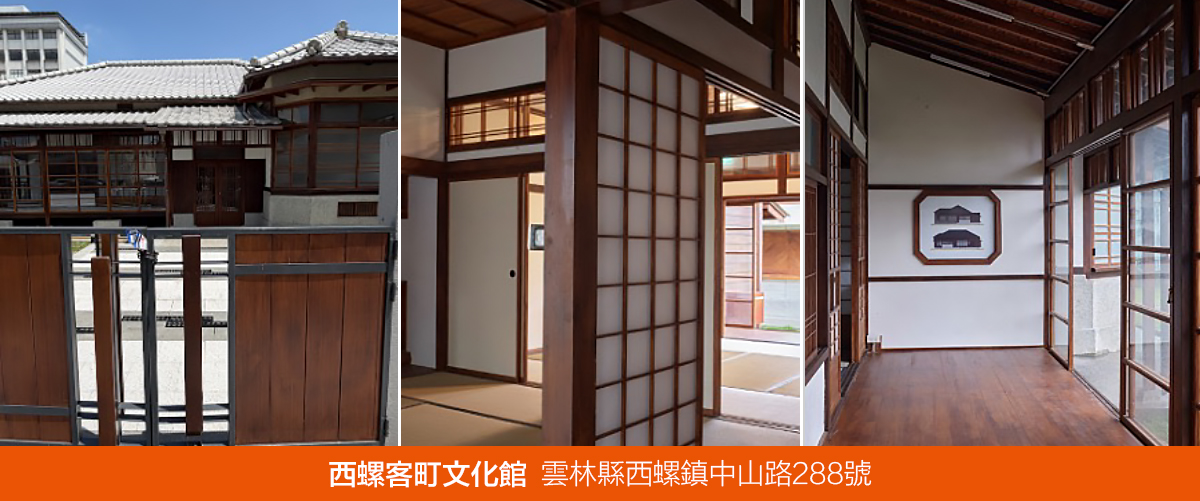
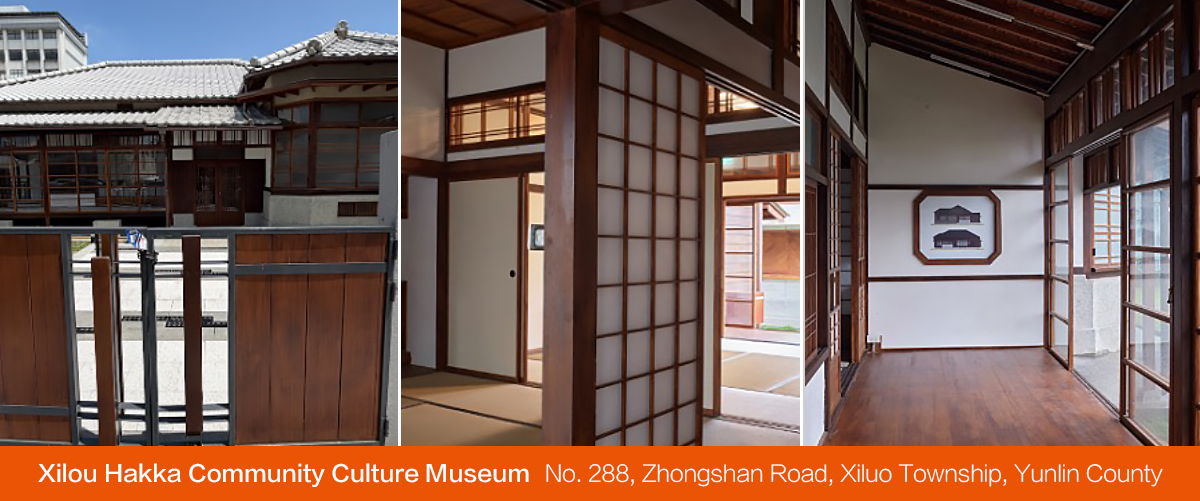
西螺第一棟日式建築,西螺街長宿舍。故事要從 1920 年說起。
日治時期,西螺設置「西螺街役場」,而管理地方的首長被稱為「街長」。1937 年,第三任街長永井英輔主持興建街長官邸,也成為西螺第一棟日式建築。近 90 年後,它有了一個新的名字——西螺客町文化館。今年 12 月,這座老宅也將成為「阿嬤的家」展點之一。90 年前,這裡是街長的家。90 年後,這裡將成為藝術的家。
VENUE INFO
建築名稱|西螺街長宿舍
歷史年代|日治時期
展出地址|雲林縣西螺鎮中山路 288、288-1 號
空間現況|西螺客町文化館/藝文空間
藝術展點|2026 阿嬤的家 國際藝術博覽會
Built in 1937 under Xiluo’s third Street Head, Eisu Nagai, the residence became the town’s first Japanese-style building.Nearly 90 years later, it is now known as the Xiluo Kecho Cultural Center.This December, the historic house will become one of the venues for A Ma De Jia.
90 years ago, this was a home for a local official.90 years later, it will become a home for art.
VENUE INFO
Building|Xiluo Street Head’s Residence
Era|Japanese Colonial Period
Address|No. 288 & 288-1, Zhongshan Rd., Xiluo Township, Yunlin County, Taiwan
Current Use|Xiluo Kecho Cultural Center / Arts & Cultural Space
Exhibition|2026 A Ma De Jia International Art Fair
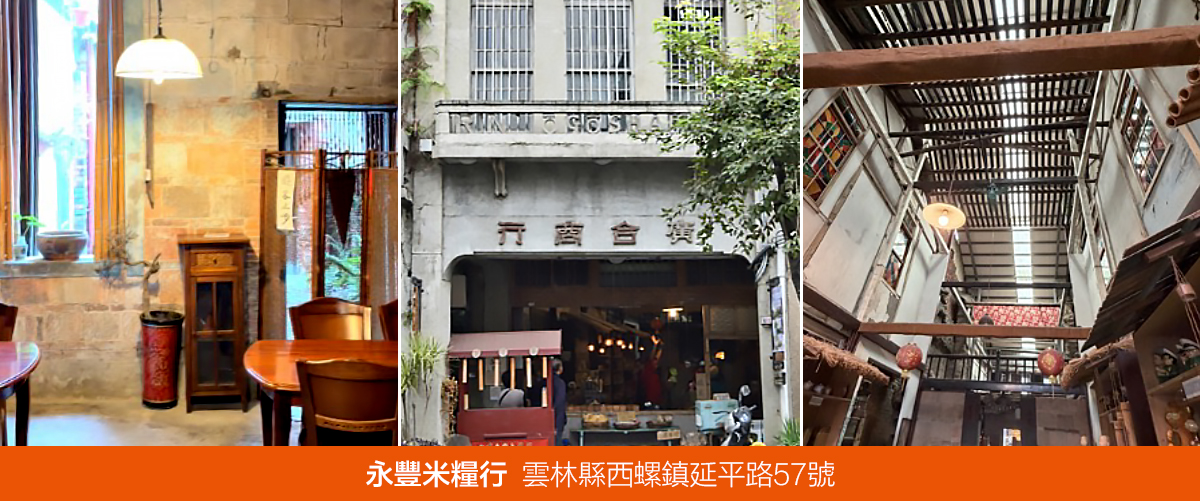
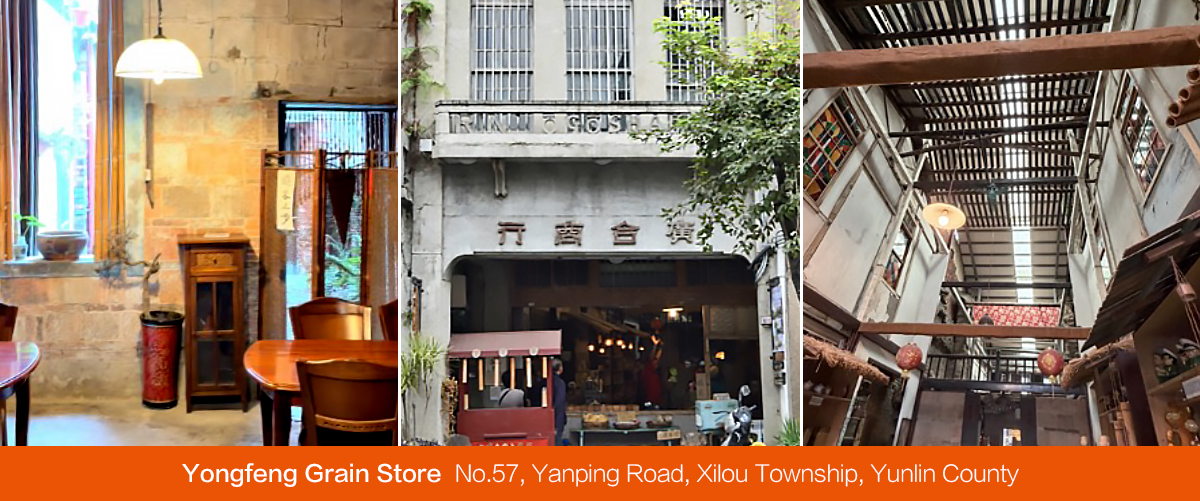
這棟建於 1941 年的歷史老洋房前身為西螺大賈林氏家族的「廣合商行」總部,其二樓陽台保留了全台灣絕無僅有、以日語羅馬拼音書寫的「RINKOGOSHAUKO」歷史水泥字印記;建築外觀採用不對稱的現代主義幾何線條與精緻洗石子工藝,內部則維持「前洋後閩」的深長街屋格局,在日治時期曾作為布匹洋貨貿易基地甚至代理進口哈雷機車,是延平老街上最富傳奇色彩與建築美學價值的世紀地標。
Formerly the headquarters of the “Qing Yu Long Firm” (erratum: “Guang He Firm”) owned by the prominent Lin family of Xiluo, this historic western-style shophouse built in 1941 is most famous for its second-floor balcony, which bears Taiwan’s only surviving concrete inscription written in Japanese Romanized spelling—”RINKOGOSHAUKO.” Boasting an asymmetrical facade adorned with modern minimalist geometric lines and exquisite terrazzo craftsmanship, the building retains a deep, multi-courtyard layout that transitions from a Western shopfront to a traditional Minnan residence. Having served as a bustling hub for imported textiles and Western dry goods during the Japanese colonial era—and notably acting as the agent importing Harley-Davidson motorcycles—this century-old residence stands today as the most legendary and architecturally significant landmark on Yanping Old Street.
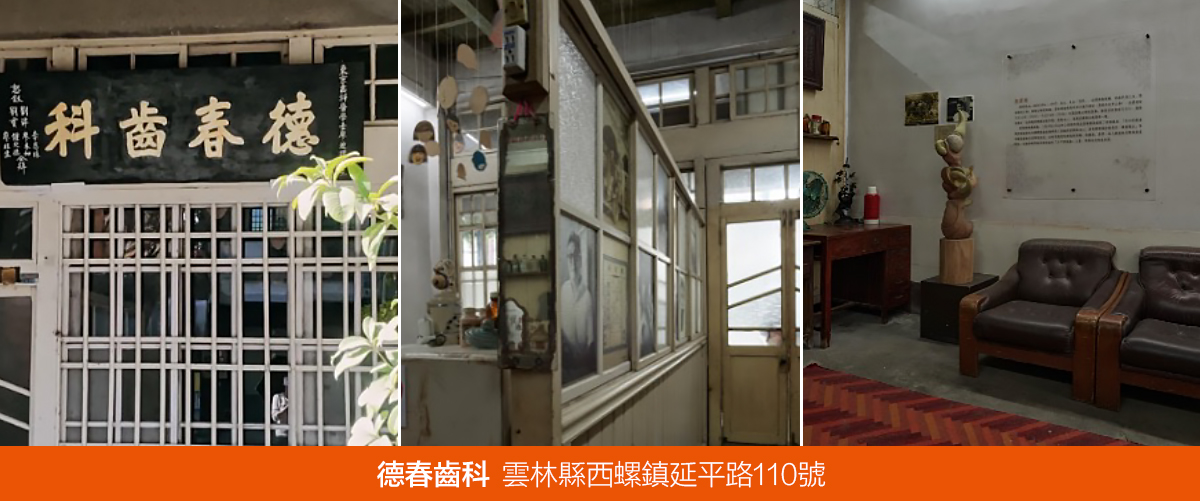
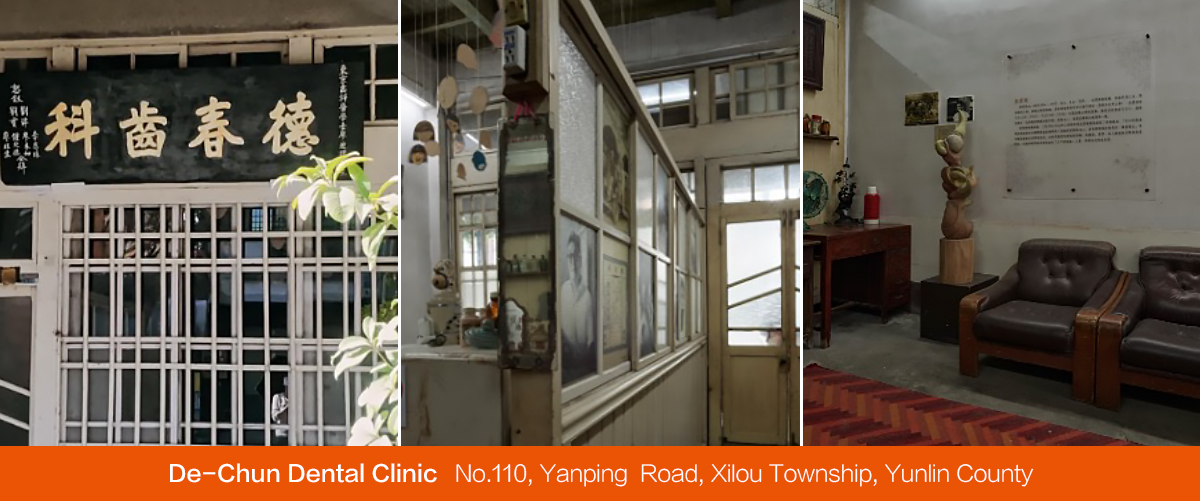
在西螺老街的靜謐一隅,有一棟建於 1935 年的三層樓老屋——「德春齒科」。
日治時期,廖日盛醫師在此安家落戶、懸壺濟世,用醫者仁心守護著這片土地。如今,廖家後代將這棟歷史建物無私捐贈予螺陽文教基金會。老屋的一磚一瓦被完整保留,屋內那張歷經歲月洗禮的老舊牙科診療椅,依舊完好如初地佇立在光影中,默默訴說著返鄉扎根的故事。
這不只是一場藝術聚會,更是一個關於「歸鄉」與「傳承」的溫柔計劃。
我們在百年老房子裡安放藝術的種子,喚醒老街沉睡的記憶,也想對在外奔赴遠方的遊子說一聲:「繁華遠鄉值得追尋,溫暖故土亦等候歸來。」
邀請你走進這場老宅藝術博覽會,像回到阿嬤家那樣,卸下防備、輕聲散步。在斑駁的光影與藝術裡,遇見西螺最動人的鄉土溫情。
Nestled in a quiet corner of Xiluo Old Street, De-Chun Dental Clinic (built around 1935) stands in silent grace.
Once the healing sanctuary of Dr. Liao Ri-sheng, this historic three-story building has been beautifully preserved by the Luoyang Foundation. Inside, a vintage dental chair still stands in the flowing light, quietly narrating a touching story of devotion and heritage.
More than an art fair, this is a gentle project rooted in homecoming and inheritance—a heartfelt tribute to “A Ma De Jia” (Grandmother’s home).
By sowing seeds of contemporary art in this century-old space, we hope to awaken old memories and call out to every wanderer: While you chase dreams in distant prosperity, your hometown always waits for your return.
We invite you to wander freely through these time-worn textures, calm your mind, and feel the tender heritage of Xiluo.
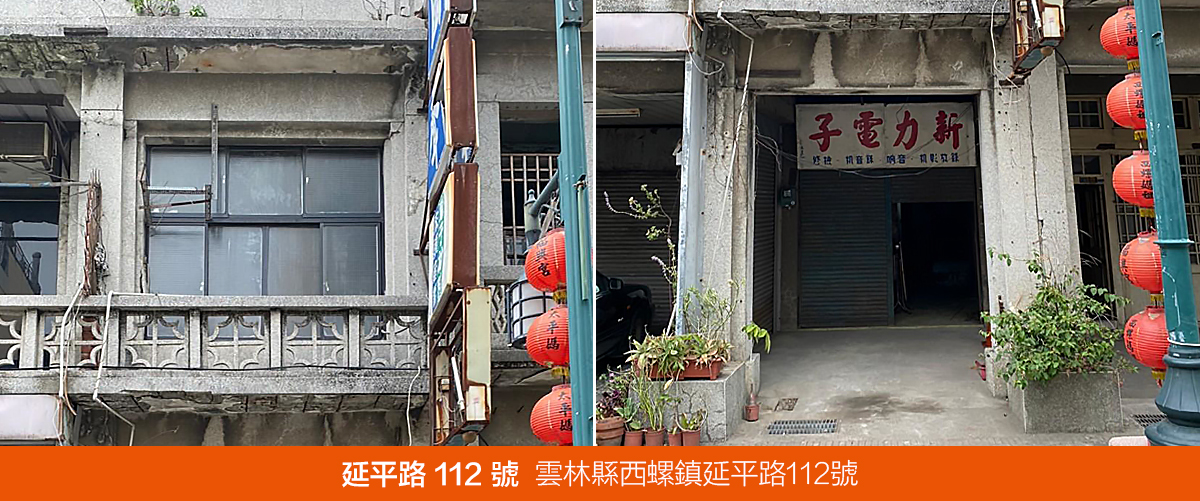
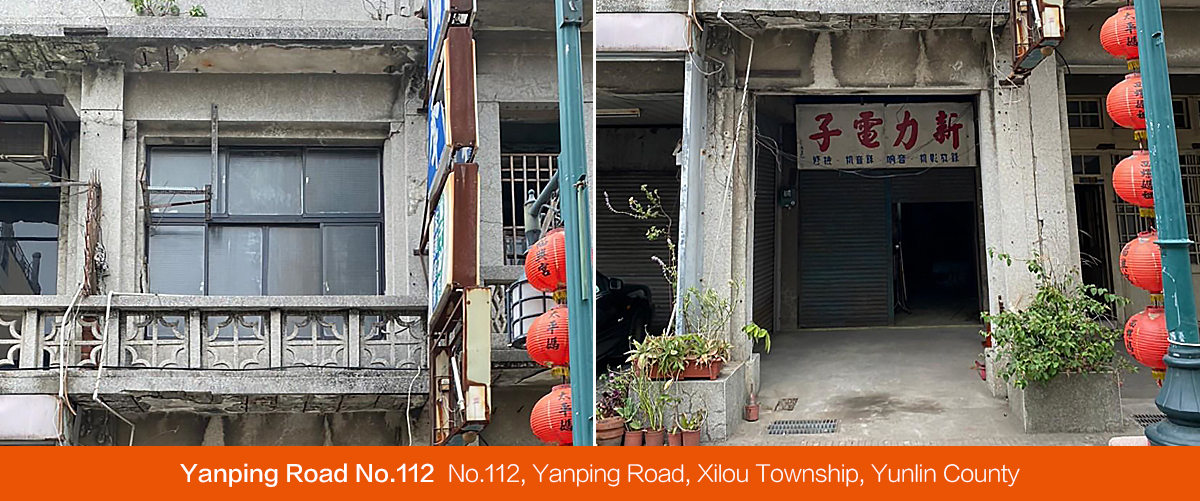
建於 1930 年代的西螺延平路 112 號歷史街屋,現由螺陽文教基金會活化打造為推動社區文藝復興的「德春學苑」。 建築立面呈現日治後期洗鍊的現代主義洗石子幾何風格,內部維持傳統三進式格局。這棟與歷史建築「德春齒科」相鄰並立的百年老屋,如今透過開辦社區技藝傳承與多元共學課程重獲新生,將歷史空間與永續生活有機串連,是漫步西螺老街時體驗在地常民活力的指標文化據點。
Built in the 1930s, the historic shophouse at No. 112 Yanping Road, Xiluo, has been revitalized by the Louyoung Cultural and Educational Foundation into “De Chun Academy,” a hub dedicated to driving community renaissance. The facade showcases the sleek, minimalist geometric lines of the modern architecture style and washed-stone (terrazzo) craftsmanship typical of the late Japanese colonial period, while the interior retains a traditional, deep three-courtyard layout. Standing side-by-side with the registered historic landmark “De Chun Dental Clinic,” this century-old residence has been reborn by hosting community heritage workshops and diverse co-learning courses. By organically linking a historical space with sustainable modern living, it serves as an iconic cultural landmark for visitors to experience the vibrant local spirit while strolling along Xiluo Old Street.
建於 1930 年代的西螺延平路 114 號歷史街屋,與相鄰的歷史建築「德春齒科」及「德春學苑」共同串聯起老街最具代表性的昭和型現代主義建築群。 建築正面以洗石子工藝構築出簡約洗鍊的幾何線條,內部延續傳統深長的三進式常民格局。這棟走過近百年歲月的老屋,不僅與周邊建築共同見證了日治時期西螺市區改正的商業黃金時代,更是如今漫步延平老街、細讀常民生活與老建築工藝演進時不可或缺的經典歷史地標。
Built in the 1930s, the historic shophouse at No. 114 Yanping Road, Xiluo, together with the adjacent historic landmark “De Chun Dental Clinic” and “De Chun Academy,” links together to form the old street’s most representative cluster of Showa-era modernist buildings. The facade utilizes washed-stone (terrazzo) craftsmanship to outline sleek, minimalist geometric lines, while the interior preserves the traditional, deep three-courtyard vernacular layout. Having weathered nearly a century of time, this historic residence not only witnessed the golden commercial era of Xiluo’s urban restructuring along with its neighboring buildings, but also serves today as an indispensable classic landmark for anyone strolling along Yanping Old Street to appreciate local everyday life and the evolution of architectural craftsmanship.